

What happens when something is crushed?
If you take a handful of marbles and crush them, you get something sharp and broken. But if you take a cluster of grapes and crush them, you get something entirely different. You get something that can nourish and refresh.
The difference is in what was there to begin with.
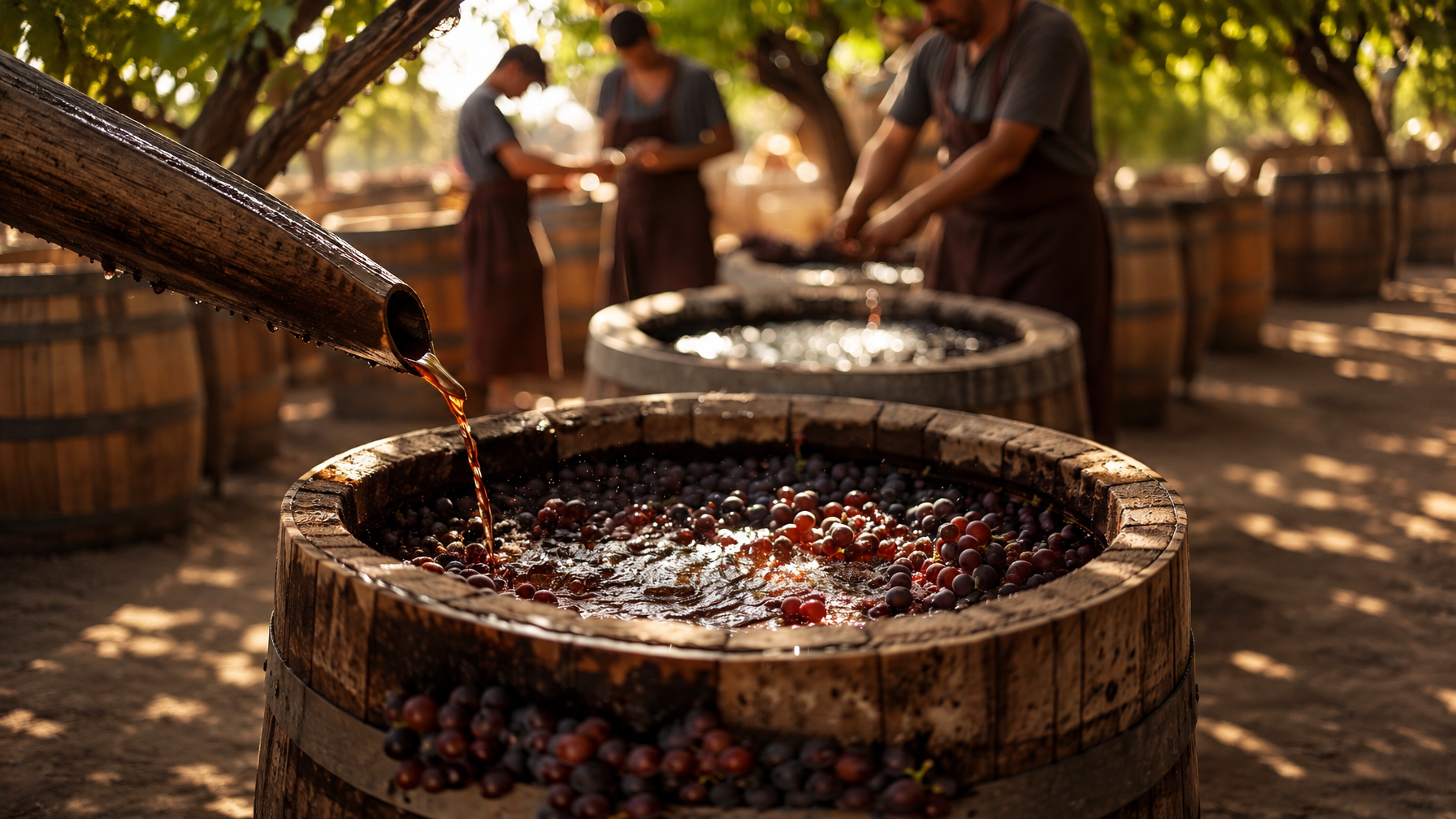
In his second letter to the church in Thessalonica, the apostle Paul writes to a congregation that was experiencing the pressure of persecution. Like a cluster of grapes caught in a winepress, they were being squeezed by difficult circumstances. Yet what was emerging from their lives was something remarkable. Their faith was growing, their love for one another was increasing, and their perseverance was becoming an example to others.
Paul begins his letter with words of affirmation:
We ought always to thank God for you, brothers and sisters, and rightly so, because your faith is growing more and more, and the love all of you have for one another is increasing. Therefore, among God's churches we boast about your perseverance and faith in all the persecutions and trials you are enduring.
Those are powerful words, especially when we consider what this congregation had been through.
A Church Under Pressure
The church in Thessalonica was relatively young. Paul had spent only a short time there before circumstances forced him to leave. We learn about those events in Acts 17. Opposition arose against Paul and his companions, and the situation became so difficult that Paul had to move on.
He was concerned about this young congregation and what might happen to their faith after his departure. Would they remain faithful? Would they continue to grow? Would the difficulties they faced become too much for them?
We get a glimpse of Paul's concern in his first letter to the Thessalonians. He encouraged them to remain faithful and reminded them of the hope they had in Jesus Christ. He even prayed that God would strengthen their hearts so they would remain blameless and holy in his presence (1 Thessalonians 3:13).
The two letters were likely written relatively close together. Yet some confusion had developed within the church. In particular, there were questions about the Day of the Lord and whether it had already come. Paul wanted to clear up these misconceptions. Some had become shaken and disturbed by what they were hearing. Others apparently had begun to neglect their responsibilities, perhaps believing there was little reason to continue their ordinary work if the Lord's return was imminent.
Paul addresses those concerns throughout his second letter. He offers affirmation in chapter one, explanation in chapter two, and exhortation in chapter three. But before addressing their confusion, he wants them to understand something important: He sees what God is doing among them.
Looking for God in the Valleys
One of the remarkable things about Paul's words is that he doesn't begin by focusing on everything that is going wrong. He begins by giving thanks. Despite their challenges, the Thessalonians were seeing their faith grow and their love for one another increase. Their circumstances had not prevented God from working in their lives.
It raises some important questions for us.
Reflection
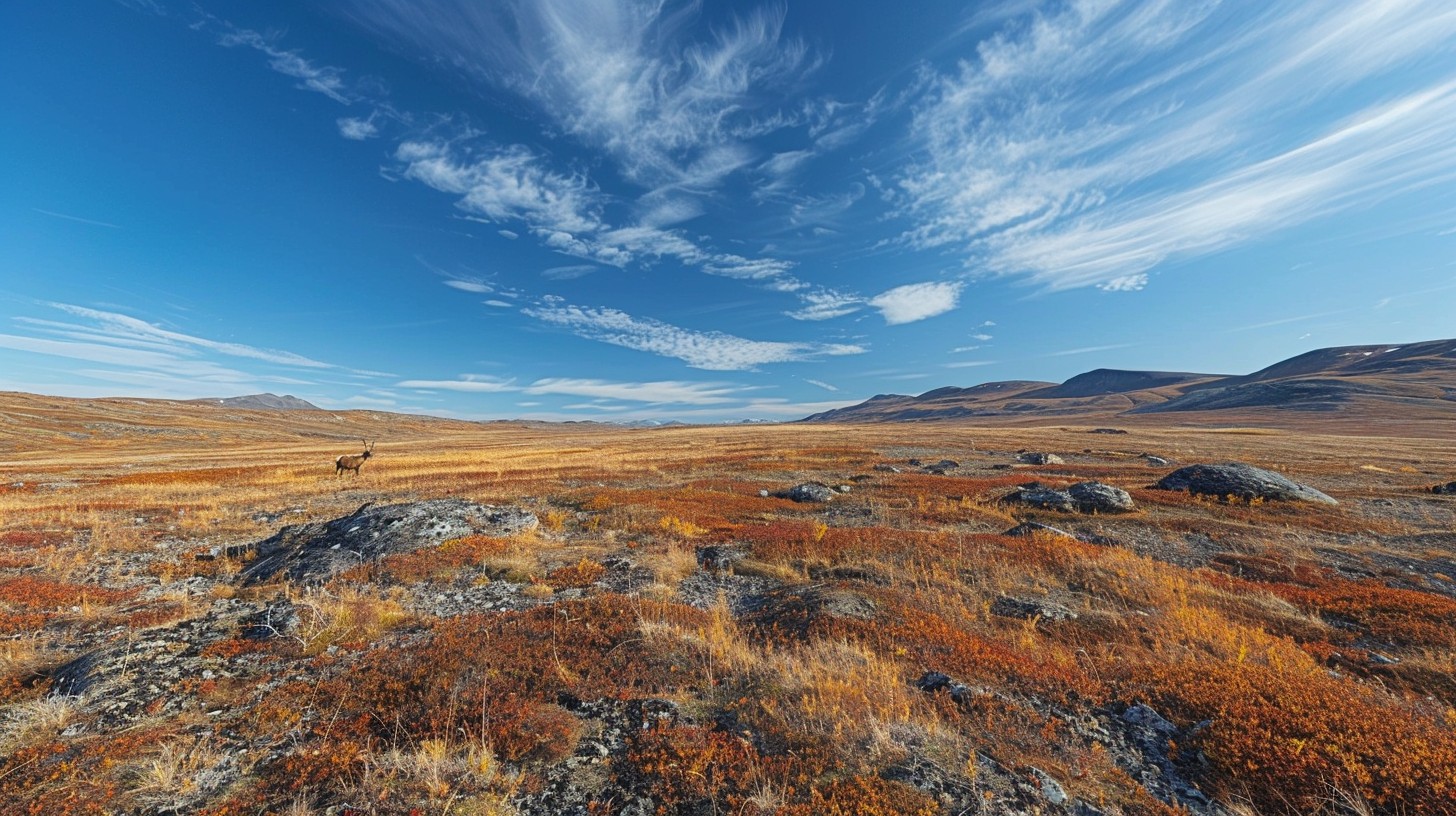
- When we find ourselves in the valleys of life, where do we look?
- Do we spend all our time looking back at the mountaintops, wishing we could return to easier days?
- Or can we learn to remain rooted in God even when the circumstances around us are difficult?
- Do we recognize God's presence only when life is going well, or do we trust that He is with us in the difficult seasons, too?
Psalm 121 begins with a familiar question:
I lift up my eyes to the hills. Where does my help come from?
The answer follows:
My help comes from the Lord, the Maker of heaven and earth.
Psalm 121:1–2

The psalmist doesn't suggest that the hills themselves are the source of our help. Our help comes from the Lord.
The God who made heaven and earth is present with us, even in the valleys.
Sometimes we need to remember that God is not only present during the good seasons of life. He is present in the difficult ones as well.
A Faith That Continues to Grow
The Thessalonians' example reminds us that difficult seasons do not have to be wasted seasons. Paul recognized this in their lives. He could see that their circumstances had not defined them. Their faith and love were continuing to grow, even while they endured persecution.
Paul writes about this same hope in Romans:
I consider that our present sufferings are not worth comparing with the glory that will be revealed in us.
And in 2 Corinthians, he reminds us:
For our light and momentary troubles are achieving for us an eternal glory that far outweighs them all.
These passages aren't meant to minimize the pain of suffering. Paul knew what suffering looked like. He had experienced persecution, hardship, and uncertainty himself. But he also understood that what we experience in the present is not the whole story. There is something greater ahead of us.
When we keep our eyes on God, our circumstances do not have to determine the direction of our faith. We can continue to grow, continue to love one another, and continue to be an encouragement and example to those around us. That's what Paul saw happening in Thessalonica, and he wanted them to know that he noticed.
Perhaps that's an important lesson for us, too. Sometimes people who are walking through difficult seasons need more than advice or explanations. They need someone to recognize their faithfulness, encourage their perseverance, and remind them that God is still at work.
The Thessalonians were not without difficulties. But their faith was growing, their love was increasing, and their perseverance was becoming an example to others.
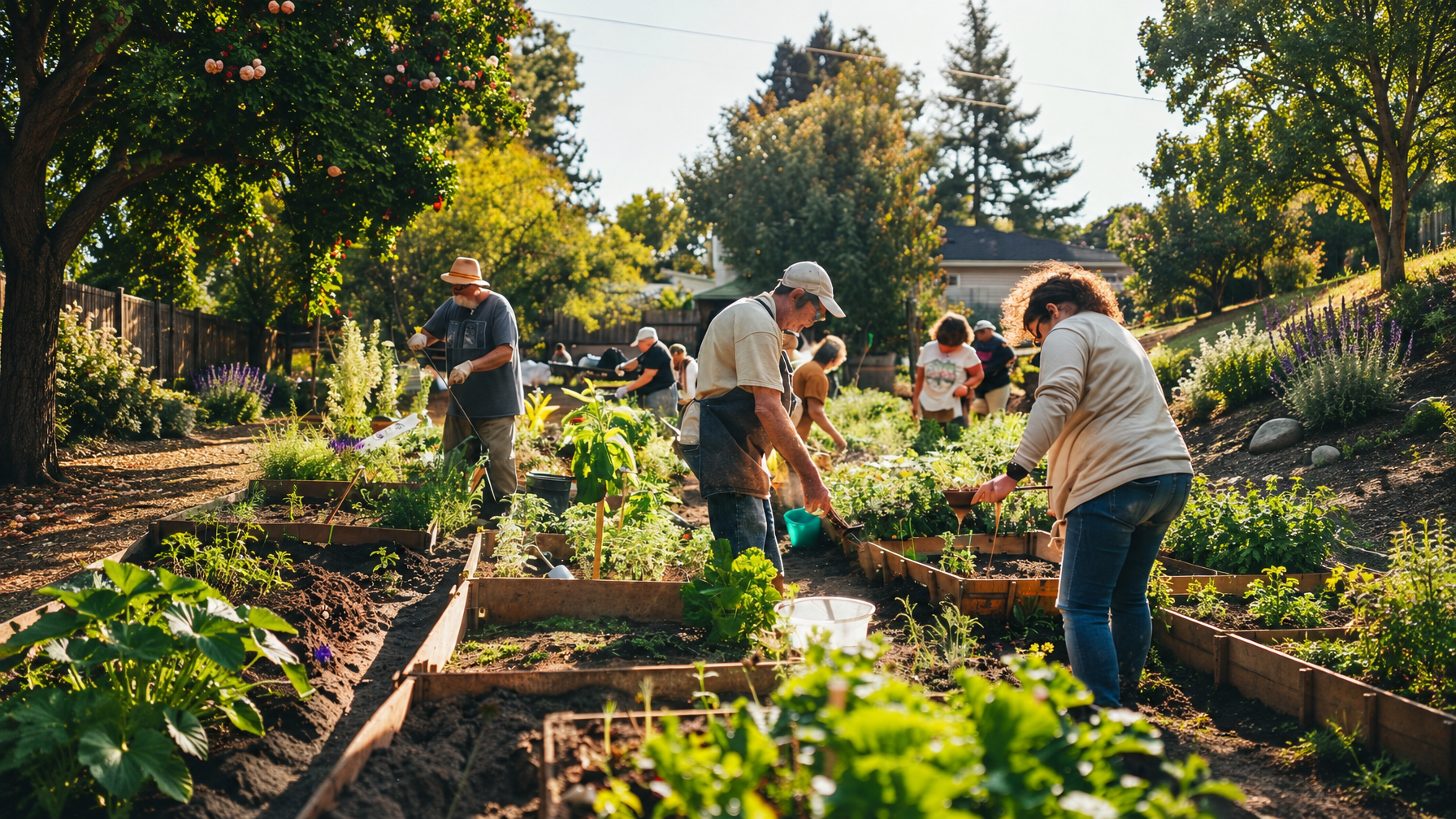
As we look at the example of the Thessalonian church, we should ask ourselves what others see in us when life gets difficult.
Reflection
- Are our faith and love continuing to grow?
- Are we encouraging those around us through our perseverance?
- And are we helping others see that God remains faithful, even in the valleys of life?
Paul saw something worth affirming in the Thessalonians. Our prayer today is that we learn to recognize and encourage that same kind of faithfulness in the people around us at Northside.